Irritable Bowel Syndrome (IBS) can cause bloating, gas, stomach pain, diarrhoea, and constipation. Certain foods may trigger these symptoms, making daily life uncomfortable. A low-FODMAP diet is one approach that may help people with IBS identify foods that worsen their symptoms and improve digestive comfort.
What Is A Low-FODMAP Diet?
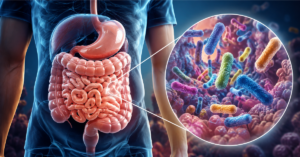
FODMAPs are certain types of carbohydrates that are not fully absorbed in the small intestine. They can draw water into the bowel and produce gas when gut bacteria break them down. In people with IBS, this may trigger bloating, pain, and changes in bowel habits.
FODMAP stands for fermentable oligosaccharides, disaccharides, monosaccharides, and polyols.
How Does It Help Manage IBS Symptoms?
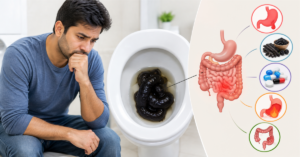
A low-FODMAP diet reduces foods containing these carbohydrates for a short period. This may help reduce gas, bloating, abdominal discomfort, diarrhoea, and other IBS symptoms.
However, results vary from person to person. The diet does not cure IBS, but it may help identify personal food triggers and support better symptom management.
Which Foods Can You Eat Or Limit?
Some foods that are often limited during the initial phase include:
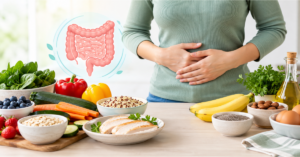
- High-FODMAP foods: Onions, garlic, apples, pears, regular milk, and certain wheat-based products.
- Lower-FODMAP alternatives: Rice, oats, carrots, spinach, lactose-free milk, and firm bananas in suitable portions.
Portion sizes matter, and not every food affects everyone in the same way.
How Should You Follow This Diet?
The low-FODMAP approach usually has three stages:
- Restriction: Reduce high-FODMAP foods for around 2–6 weeks.
- Reintroduction: Gradually test individual food groups to identify personal food triggers.
- Personalisation: Build a balanced diet that avoids only the foods that cause problems.
Work with a qualified dietitian or healthcare professional to avoid unnecessary food restrictions and nutritional deficiencies.
If symptoms persist, worsen, or include blood in the stool, unexplained weight loss, or persistent vomiting, seek medical advice promptly.
Consulting a Gastroenterologist in Indore can help you assess ongoing digestive symptoms, understand possible IBS triggers, and choose an appropriate treatment plan.
FAQs
1. Can a low-FODMAP diet cure IBS?
No. It may reduce symptoms and help identify food triggers, but IBS has no single guaranteed cure.
2. How long should I follow the low-FODMAP diet?
The restriction phase generally lasts 2–6 weeks, followed by food reintroduction under professional guidance.
3. Is this diet suitable for everyone?
No. It may not be necessary or suitable for everyone, so professional advice is recommended before starting.
4. Can I eat fruits while following this diet?
Yes. Options such as firm bananas and oranges may be suitable in appropriate portions.
5. Should I avoid gluten with IBS?
Not necessarily. IBS does not automatically require a gluten-free diet. Your food choices should depend on your symptoms and medical assessment.