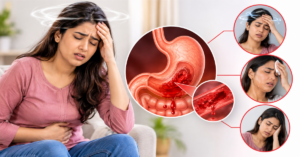
Diarrhoea is a common digestive problem that usually improves within a few days with proper care and hydration. However, some people experience repeated episodes of loose motions even after completing treatment. If diarrhoea keeps returning, it may indicate an underlying digestive condition that needs proper medical evaluation.
Understanding the actual cause is important because temporary relief from medicines does not always mean the underlying problem has been resolved.
Common Reasons Why Diarrhoea Keeps Coming Back
There are several possible reasons for recurrent diarrhoea:
1. Irritable Bowel Syndrome (IBS)
IBS is a digestive disorder that can cause repeated loose stools, abdominal cramps, bloating and sudden bowel urgency. Certain foods, stress and changes in gut movement may trigger symptoms.
2. Inflammatory Bowel Disease (IBD)
Conditions such as Crohn’s disease and ulcerative colitis cause inflammation in the digestive tract. They may lead to recurring diarrhoea, abdominal pain, blood in stools and unexplained weight loss.
3. Persistent Intestinal Infection
Sometimes bacterial or parasitic infections may not resolve completely without appropriate treatment. Contaminated food and water can also cause repeated infections.
4. Food Intolerance
Lactose intolerance, gluten-related disorders and other food sensitivities can trigger loose motions repeatedly. Symptoms may return whenever a person consumes the food responsible for the reaction.
5. Side Effects of Medicines
Certain medications, including antibiotics and magnesium-containing antacids, may affect bowel movements and cause diarrhoea.
Why Does Diarrhoea Return After Taking Medicines?
Medicines may control symptoms temporarily, but if the underlying cause remains untreated, diarrhoea can return. For example, IBS requires long-term symptom management, while intestinal infections and inflammatory conditions need specific treatment according to their causes.
Taking medicines repeatedly without identifying the reason may delay proper diagnosis.
How Can Recurrent Diarrhoea Be Diagnosed?
A gastroenterologist may recommend investigations depending on the symptoms and medical history. These may include:
- Stool tests to identify infections or parasites.
- Blood tests to check inflammation, anaemia and dehydration.
- Tests for food intolerance or coeliac disease when indicated.
- Colonoscopy if inflammatory bowel disease or other intestinal conditions are suspected.
The right investigations help identify the underlying digestive problem and guide appropriate treatment.
When Should You Consult a Gastroenterologist?
Do not ignore diarrhoea that keeps returning, especially when it is associated with blood in stools, persistent fever, severe abdominal pain, unexplained weight loss, nighttime diarrhoea or signs of dehydration.
Drinking sufficient fluids and taking ORS can help replace lost fluids and electrolytes. Avoid self-medicating with antibiotics or anti-diarrhoeal medicines without medical advice.
If you are experiencing repeated loose motions, consulting a specialist for Diarrhoea Treatment in Indore can help identify the underlying cause and provide an appropriate treatment plan for better digestive health.