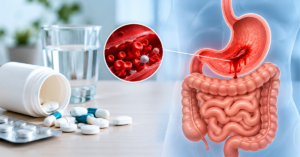
Blood thinners help prevent harmful blood clots and reduce the risk of stroke or other serious complications. However, these medicines can increase the risk of bleeding, including bleeding in the digestive tract. Understanding the warning signs and taking appropriate precautions can help patients manage this risk safely.
What Are Blood Thinners?
Blood thinners are medicines that prevent blood clots from forming or growing. They include anticoagulants, such as warfarin, apixaban, and rivaroxaban, and antiplatelet medicines, such as aspirin and clopidogrel. Doctors prescribe them for conditions like atrial fibrillation, deep vein thrombosis, and certain heart diseases.
How Can Blood Thinners Increase Gastrointestinal Bleeding Risk?
These medicines interfere with blood clot formation, making it harder for the body to stop bleeding. If a person develops a stomach ulcer, inflammation, or another digestive tract problem, bleeding may become more likely or more difficult to control.
Upper gastrointestinal bleeding occurs in the oesophagus, stomach, or upper small intestine, while lower gastrointestinal bleeding may originate in the colon or rectum. Blood thinners can worsen bleeding from either location.
What Are The Warning Signs?
Symptoms of gastrointestinal bleeding may vary depending on its location and severity. Watch for:
- Black, tarry stools or visible red blood in stools.
- Vomiting blood or material resembling coffee grounds.
- Unusual weakness, dizziness, or fainting.
- Abdominal discomfort or unexplained fatigue.
Seek emergency medical care if you vomit blood, pass black tarry stools, experience significant bleeding, or develop fainting or severe dizziness.
Who Has A Higher Risk Of Bleeding?
The risk may be higher in older adults and people with previous gastrointestinal bleeding, peptic ulcers, kidney disease, or certain liver conditions. Taking multiple blood-thinning medicines or combining them with painkillers such as ibuprofen or naproxen may also increase the risk.
How Is Gastrointestinal Bleeding Evaluated And Managed?
Doctors assess symptoms, medical history, medicines, and vital signs. Blood tests may help identify anaemia or assess clotting, depending on the medicine involved. An upper GI endoscopy may be needed to locate and treat bleeding in the upper digestive tract.
Treatment depends on the cause and severity. It may involve fluids, blood transfusions, endoscopic procedures, or medication adjustments supervised by the treating team.
What Precautions Should Patients Follow?
Take medicines exactly as prescribed and attend recommended follow-up appointments. Inform your doctor about all medicines and supplements you use. Avoid starting over-the-counter painkillers without medical advice. Never stop, skip, or change a prescribed blood thinner on your own, even if you are concerned about bleeding.
If you notice possible bleeding or persistent digestive symptoms, consult a qualified gastroenterologist promptly. Upper GI Bleeding Treatment in Indore may involve identifying the bleeding source, assessing its severity, and selecting appropriate treatment based on your condition and medication history.
FAQs
1. Can blood thinners cause stomach bleeding?
Yes. Blood thinners can increase the risk of stomach bleeding, particularly when ulcers or other digestive tract conditions are present. However, not everyone taking these medicines develops bleeding.
2. What are the warning signs of gastrointestinal bleeding?
Warning signs include vomiting blood, black tarry stools, red blood in stools, dizziness, weakness, and fainting. Significant bleeding requires emergency medical assessment.
3. Should I stop taking blood thinners if I notice bleeding?
Do not independently stop or change your medication. Seek urgent medical advice, as a clinician must balance the bleeding risk against the danger of blood clots.
4. Can stomach ulcers increase bleeding risk while taking blood thinners?
Yes. Ulcers can damage the digestive tract lining and cause bleeding. Blood thinners may make that bleeding harder to control.
5. When should I seek emergency medical care?
Seek emergency care for vomiting blood, black tarry stools, heavy bleeding, fainting, severe dizziness, or signs of shock, such as cold, clammy skin and confusion.