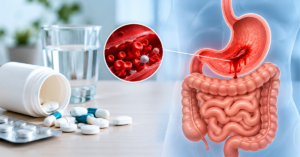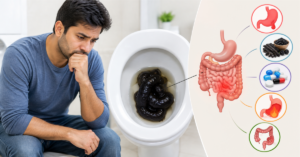
Inflammatory bowel disease (IBD) can cause symptoms that improve for a while and then return or worsen. These episodes may indicate an IBD flare, particularly in people living with Crohn’s disease or ulcerative colitis. Recognizing changes in your usual symptoms and contacting your doctor at the right time can help you receive appropriate care.
What Is An IBD Flare?
An IBD flare is a period when inflammation-related symptoms become more active or severe. Symptoms may vary depending on the type of IBD, the affected area, and the individual. A flare can require medical assessment and adjustments to a treatment plan.
What Symptoms May Indicate An IBD Flare?
Common IBD flare symptoms include:
- More frequent bowel movements or sudden urgency.
- Persistent diarrhoea or blood in the stool.
- Increasing abdominal pain or cramps.
- Unusual fatigue or reduced appetite.
- Fever or unintended weight loss.
Not every episode of diarrhoea or stomach pain means your IBD is flaring. Intestinal infections and other conditions can cause similar symptoms, so avoid assuming the cause without medical advice.
When Should You Contact Your Doctor?
Contact your gastroenterologist if symptoms persist, become more frequent, worsen, or differ from your usual pattern. You should also seek advice if symptoms interfere with sleep, eating, work, or everyday activities.
Discuss medication concerns, possible side effects, and missed doses with your healthcare professional. Early communication can help determine whether you need an examination, tests, or changes to your existing care plan.
When Do IBD Symptoms Require Urgent Medical Attention?
Some symptoms require urgent medical assessment rather than waiting for a routine appointment. Seek urgent medical care for severe or rapidly worsening abdominal pain, heavy rectal bleeding, persistent vomiting, significant dehydration, or a high fever accompanied by worsening symptoms.
Call emergency services if you experience severe weakness, fainting, or signs of serious blood loss. Do not delay care when symptoms are severe or rapidly deteriorating.
What Should You Do During A Possible IBD Flare?
Continue following your prescribed treatment plan unless your clinician advises otherwise. Drink fluids regularly if you can tolerate them, and record your bowel movement frequency, pain, fever, and other changes. Note any recent medication changes and share this information with your doctor.
Do not stop prescribed IBD medicines, change doses, or take additional steroids or antibiotics without medical guidance. Your doctor can help determine the cause of your symptoms and recommend appropriate next steps.
If symptoms are worsening or you are unsure whether you are experiencing a flare, seeking professional advice for IBD Treatment in Indore can help you receive an appropriate assessment and care plan based on your individual condition.
FAQs
1. How do I know if I am experiencing an IBD flare?
2. When should I contact my gastroenterologist during an IBD flare?
Contact your doctor when symptoms persist, worsen, or differ from your usual pattern, or when medication concerns arise.
3. Can an IBD flare cause blood in the stool?
Yes. Ulcerative colitis and Crohn’s disease can cause rectal bleeding. New or increasing bleeding should be discussed promptly with a doctor.
4. Should I stop taking my medication during an IBD flare?
No. Do not stop or change prescribed medication without consulting your healthcare professional.
5. When should I seek emergency care for IBD symptoms?
Seek urgent care for severe abdominal pain, heavy bleeding, persistent vomiting, significant dehydration, fainting, or rapidly worsening symptoms.