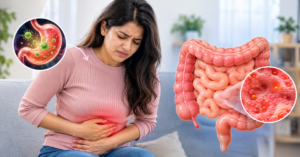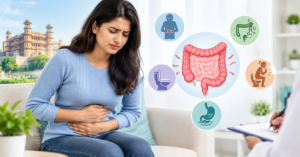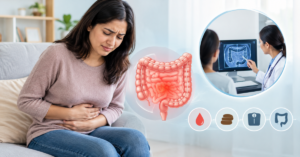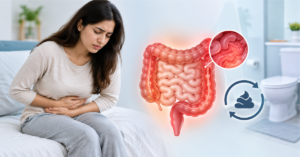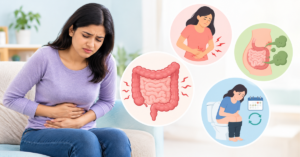
A stomach infection usually improves within a few days, but some people continue experiencing digestive problems even after the infection has cleared. Persistent diarrhoea, abdominal discomfort, bloating, and changes in bowel habits may indicate Post-Infectious Irritable Bowel Syndrome (PI-IBS).
This condition can develop after gastroenteritis and may affect normal digestive function. Understanding why symptoms continue can help patients seek appropriate evaluation and manage their gut health.
What Is Post-Infectious IBS?
Post-Infectious IBS is a type of irritable bowel syndrome that develops after a gastrointestinal infection caused by bacteria, viruses, or parasites.
Unlike an active stomach infection, where harmful microorganisms trigger acute illness, PI-IBS involves ongoing changes in gut function after the infection has resolved. These changes can cause persistent digestive symptoms.
Why Can Bowel Symptoms Continue After A Stomach Infection?
Several changes in the digestive system may contribute to PI-IBS:
- Gut microbiota changes: An infection can disturb the natural balance of beneficial intestinal bacteria.
- Increased gut sensitivity: The intestines may become more sensitive to normal digestive activity.
- Altered gut movement: Changes in intestinal contractions can cause diarrhoea or constipation.
- Immune activation: Low-grade immune activity may continue after the infection.
- Gut-brain communication: Changes in communication between the brain and digestive system may influence bowel function.
Common Symptoms Of Post-Infectious IBS
Symptoms can vary between individuals and may include:
- Abdominal pain or cramping.
- Bloating and excessive gas.
- Frequent or loose stools.
- Constipation or difficulty passing stools.
- Alternating diarrhoea and constipation.
- Sudden bowel urgency and changes in stool consistency.
Symptoms may become more noticeable after meals or during periods of stress.
Who Is More Likely To Develop Post-Infectious IBS?
People who experience severe gastrointestinal infections may have a higher risk of developing PI-IBS. Other possible contributing factors include previous digestive problems, individual gut sensitivity, prolonged infection, and psychological stress. However, these factors do not guarantee that someone will develop the condition.
How Is Post-Infectious IBS Diagnosed And Managed?
Diagnosis generally involves reviewing medical history, infection history, and current symptoms. A gastroenterologist may recommend blood tests, stool tests, or other investigations when necessary to rule out ongoing infection, inflammation, or other digestive conditions.
Management may include dietary adjustments, adequate hydration, regular physical activity, stress management, and medications based on individual symptoms. Treatment should be tailored to the patient’s digestive health and specific needs.
When Should You Consult A Gastroenterologist?
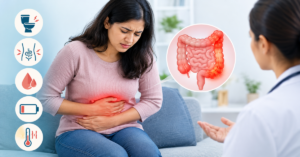
Seek medical evaluation if digestive symptoms persist or worsen. Blood in stools, unexplained weight loss, anaemia, persistent fever, severe abdominal pain, or symptoms that disturb sleep require particular attention. These signs may indicate conditions other than IBS.
Persistent bowel symptoms after an infection should not automatically be considered harmless or ignored. A gastroenterologist can identify the underlying cause and recommend appropriate care. Seeking professional guidance for IBS Treatment in Indore can help patients understand their symptoms and explore an individualized management approach.
FAQs
1. Can a stomach infection trigger IBS?
Yes. Gastrointestinal infections caused by bacteria, viruses, or parasites can sometimes trigger IBS symptoms even after the original infection has cleared.
2. How long can Post-Infectious IBS symptoms last?
Symptoms may continue for several months or longer. Their duration varies between individuals depending on gut sensitivity, symptom severity, and other contributing factors.
3. Can Post-Infectious IBS go away on its own?
Some people experience gradual improvement without extensive treatment. Others may need dietary changes, lifestyle adjustments, and medical support to manage persistent symptoms.
4. What foods should be avoided with Post-Infectious IBS?
Certain people may experience worsening symptoms after consuming fatty foods, caffeine, spicy meals, or dairy products. Identifying individual food triggers can help improve digestive comfort.
5. Is Post-Infectious IBS a permanent condition?
Not necessarily. Symptoms can improve over time, although some people experience recurring digestive problems. Appropriate evaluation and individualized management can help control symptoms.