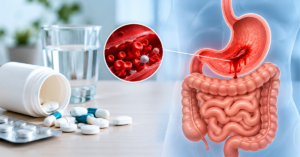
Recurrent diarrhoea can be uncomfortable and disruptive, especially when it interferes with work, travel, or daily routines. One possible cause is irritable bowel syndrome (IBS), a condition that affects bowel habits and abdominal comfort. However, not every episode of repeated diarrhoea is caused by IBS, so understanding the symptoms and possible triggers is important.
What Is Irritable Bowel Syndrome (IBS)?
IBS is a disorder of gut-brain interaction that affects how the digestive system functions. It can cause abdominal pain, bloating, and changes in bowel movements without necessarily causing visible damage to the digestive tract.
IBS has different subtypes, including IBS with diarrhoea (IBS-D), in which loose or watery stools are a prominent symptom. Some people experience constipation or alternating episodes of diarrhoea and constipation.
How Can IBS Cause Recurrent Diarrhoea?
In people with IBS-D, changes in intestinal movement and communication between the gut and brain can affect stool consistency and bowel frequency. Food may move through the intestines more quickly, leaving less time for water absorption and resulting in loose stools.
Common symptoms may include:
- Frequent loose or watery stools.
- Abdominal cramps or discomfort, sometimes relieved after a bowel movement.
- Bloating and excess gas.
- Sudden urgency to use the toilet.
- Changes in bowel habits, particularly during stressful periods.
Symptoms can vary from person to person and may occur in episodes rather than continuously.
What Can Trigger IBS-Related Diarrhoea?
Certain foods and lifestyle factors may worsen symptoms in some individuals. Common triggers include fatty meals, caffeine, alcohol, spicy foods, and particular carbohydrates that are difficult for some people to digest.
Stress and anxiety may also influence gut-brain communication and aggravate bowel symptoms. Keeping a food and symptom diary can help identify personal triggers without unnecessarily eliminating entire food groups.
How Can IBS-Related Diarrhoea Be Managed?
Management depends on the individual’s symptoms and triggers. Helpful approaches may include:
- Dietary adjustments: Identifying trigger foods and maintaining balanced nutrition. A low-FODMAP diet may help some people but is best undertaken with professional guidance.
- Lifestyle changes: Regular physical activity, adequate sleep, hydration, and stress-management techniques.
- Medical treatment: A gastroenterologist may recommend suitable medicines or psychological therapies, depending on the symptoms.
A clinician should assess recurrent diarrhoea before attributing it to IBS. Infections, food intolerances, medication effects, inflammatory bowel disease, and other digestive conditions may cause similar symptoms.
Seek prompt medical attention for blood in the stool, unexplained weight loss, fever, severe abdominal pain, or signs of dehydration, such as dizziness and reduced urination. For recurring symptoms, consulting a gastroenterologist about IBS Treatment in Indore can help clarify the cause and identify an appropriate management plan.
FAQs
1. Can IBS cause diarrhoea every day?
IBS-D can cause frequent episodes of diarrhoea, sometimes on most days. However, daily diarrhoea should be medically assessed because other digestive conditions may require different treatment.
2. What is the difference between IBS-D and ordinary diarrhoea?
IBS-D involves a recurring pattern of bowel symptoms, often including abdominal pain and changes in stool frequency or consistency. Ordinary diarrhoea may result from infections, food reactions, or other temporary causes.
3. Can stress trigger diarrhoea in people with IBS?
Yes. Stress can affect communication between the brain and digestive system, potentially worsening urgency, abdominal discomfort, and loose stools in people with IBS.
4. Which foods may worsen IBS-related diarrhoea?
Caffeine, fatty foods, alcohol, and certain fermentable carbohydrates may trigger symptoms in some people. Individual responses differ, so tracking symptoms can help identify relevant dietary triggers.
5. When should recurrent diarrhoea be medically evaluated?
Seek medical assessment if diarrhoea keeps returning, persists, or affects daily activities. Blood in stools, fever, severe pain, unexplained weight loss, or dehydration requires prompt medical attention.